
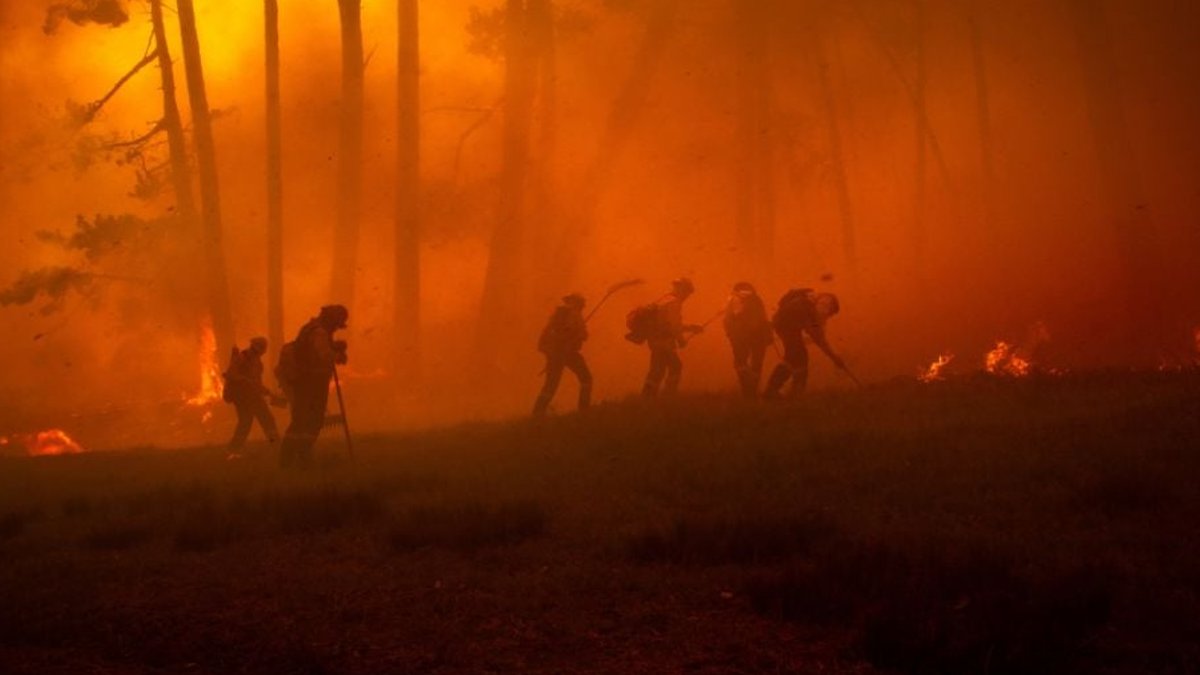
Canada’s property and casualty insurers remain well-prepared to manage wildfire losses this year, despite over 29,500 square kilometres of land burned nationwide. Morningstar DBRS released a report confirming the sector’s stability, noting that most fires have avoided major population centers. Blazes have largely stayed in remote areas, reducing direct damage to homes and businesses.
Wildfires create losses even when they don’t destroy property directly. Evacuation orders, road closures, and supply chain disruptions lead to business interruption and civil authority claims. Some policyholders have filed claims for losses caused by fires they never saw, such as trucking routes closed due to distant blazes.
Civil authority coverage, included in many commercial policies, applies when mandatory evacuations block access to insured properties. Contingent business interruption coverage may also cover losses if a supplier shuts down because of fire-related closures. The Insurance Bureau of Canada stated these protections are now standard in the market.
Related: Investing During The Pandemic
Smoke damage complicates the situation further. During the 2025 Los Angeles wildfires, smoke accounted for nearly a third of claims in the first month. Another 35% of similar claims emerged up to two years later, indicating a prolonged challenge for insurers.
Canadian insurers have improved their financial resilience through years of premium increases on personal property policies. These adjustments have helped balance rising claims costs, inflation, and more frequent catastrophes. Morningstar DBRS highlighted underwriting profitability, strong capital reserves, and combined ratios below 95% among major publicly traded insurers in 2025 and early 2026 as proof of their strength.
The outcome still depends on whether fires reach high-value areas. British Columbia and Alberta, which have faced the costliest wildfires historically, have experienced relatively mild seasons so far. A series of major events could deplete insurers’ annual catastrophe budgets, activate reinsurance protections, and increase reinstatement costs.
The current wildfire season follows a record year for insured losses. In 2024, Canada’s catastrophe claims reached $8.5 billion, the highest ever recorded. The 2016 Fort McMurray wildfire, which destroyed over 2,400 properties and displaced 80,000 people, now totals more than $4.8 billion in insured damage after inflation adjustments. These losses contributed to a national increase in home insurance rates in 2025, with Alberta seeing a sharper rise.
Related: Consumer confidence rises despite US setback
Rising costs haven’t affected all segments equally. While personal property rates climbed, commercial insurance pricing softened. Global commercial rates fell an average of 6% in the second quarter of 2026, continuing an eight-quarter decline. Canadian composite rates dropped 7%, and property rates decreased 8%. Casualty pricing was the only exception, rising globally, mostly due to U.S. pressures.
Steve Liu of Morningstar DBRS stated the wildfire season’s impact will depend on whether fires move into densely populated or high-value areas. For now, insurers seem ready—but the season isn’t over.
Consumer confidence has shown resilience despite economic setbacks, which may support continued retail spending growth.


Leave a Reply