
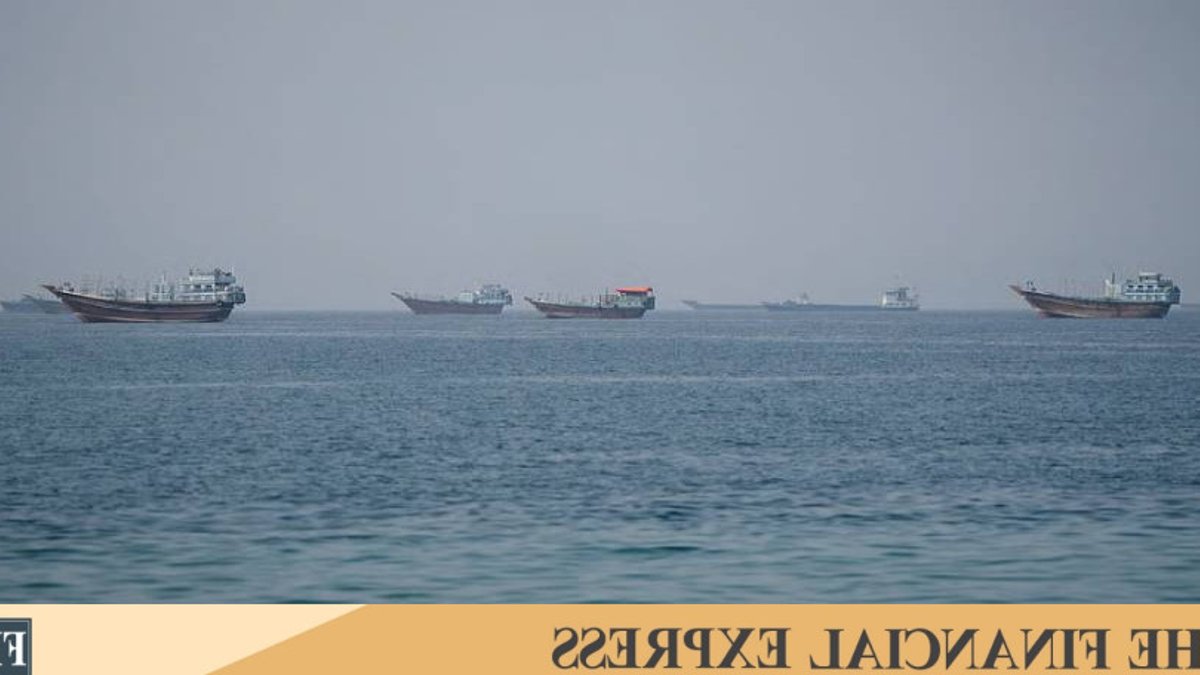
Iran has blacklisted 45 tankers for violating its rules in the Strait of Hormuz, warning it will fine, detain, or confiscate cargo from any vessel linked to them. The decision raises tensions in the critical waterway six months into the regional conflict.
A new Iranian body overseeing the strait, the Persian Gulf Strait Authority, announced the restrictions in an X post late Sunday. The list targets very large crude carriers, liquefied natural gas tankers, and clean product vessels, including some owned by major Gulf state companies.
Blacklisted tankers include UAE, Saudi, and South Korean vessels
The banned ships involve operators like ADNOC Logistics and Shipping, its subsidiary Navig8 Tankers, and Saudi Arabia’s Bahri. South Korean firm Sinokor, Norway’s Klaveness Ship Management, and Stolt Tankers also appear on the list. None of the companies had commented by Monday.
The authority stated that any vessel conducting ship-to-ship transfers with the blacklisted ones could face the same penalties. While it did not detail the specific violations, Iran has long required ships to obtain its clearance before transiting the strait and has demanded payment for security services.
Oil flows resume despite US-Iran standoff
The Strait of Hormuz, which carries about 20% of global crude oil and LNG shipments, has faced disruptions since the conflict began. The U.S. has enforced a naval blockade on Iran-linked shipping, while Iran has promised retaliation against new U.S. sanctions.
U.S. Secretary of Energy Chris Wright said Friday that oil movements through the strait have recovered to over 8 million barrels daily, attributing the improvement to the U.S. Navy’s escort efforts. “Oil is flowing through the Strait of Hormuz,” he wrote on X.
Related: Bangladesh looks to Malaysia for youth skills boost
Tehran’s latest move follows a U.S. warning that it would impose “the toughest sanctions in history” on Iran. The Iranian government replied that any additional U.S. measures would provoke a severe response.
Shipowners wishing to remove their vessels from the blacklist must file a formal request with explanations to Iran’s maritime authorities. The authority advised cargo owners to check an updated list of non-compliant ships before planning voyages in the area.
The blacklist appears to be a test of how far Iran can extend its authority in the strait without sparking direct conflict. While the U.S. has demonstrated its ability to maintain oil flows, Iran’s capacity to disrupt shipping—even selectively—still poses a risk. Most tankers continue transiting under naval escort, but the possibility of fines or seizures may push some operators to seek alternative routes.
The authority’s post left unclear whether any of the blacklisted vessels had already been seized. Observers point out that Iran has often used such measures to assert control over shipping lanes without always enforcing every threat.
Long-term joblessness in the region could worsen if shipping disruptions persist, further straining social stability.


Leave a Reply