
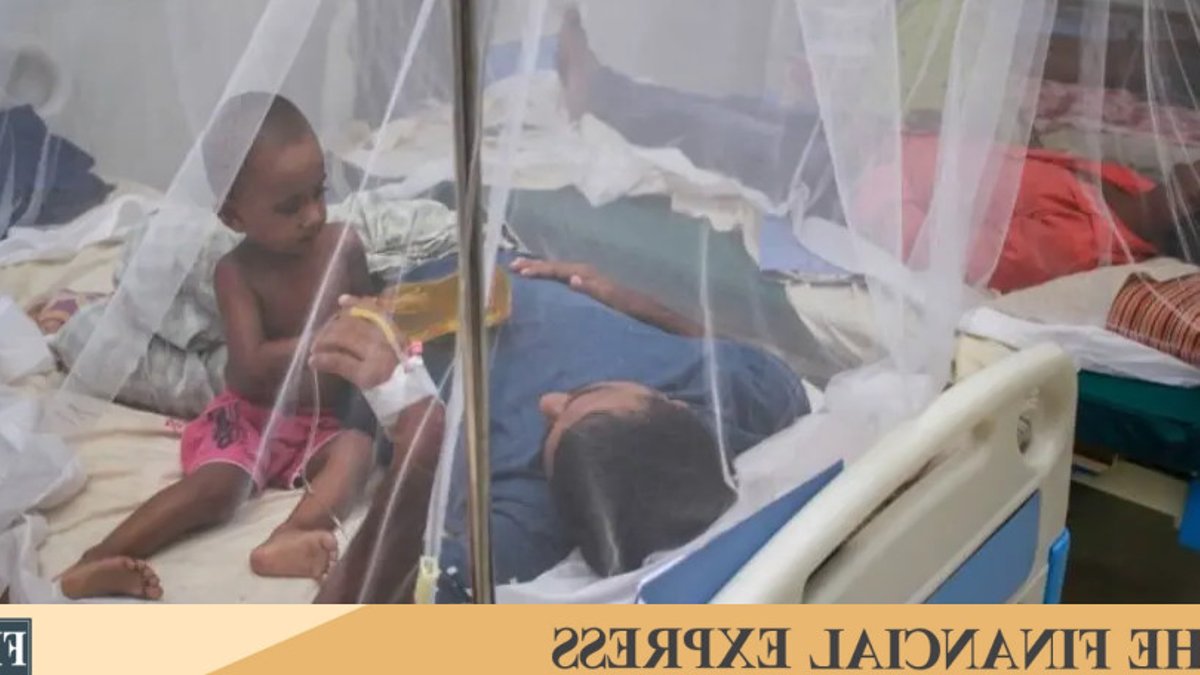
Bangladesh is currently dealing with a difficult situation as it faces a dual epidemic outbreak involving both dengue and measles, a combination that has overwhelmed the nation’s healthcare infrastructure. According to the Directorate General of Health Services, the combined death toll from these outbreaks has reached over 800, with 38 fatalities attributed to dengue and more than 803 related to measles. The situation is particularly critical for vulnerable children, who are disproportionately affected by both illnesses. Hospital resources across the country are stretched thin, creating a severe strain on the available medical capacity.
The government’s response to the measles outbreak has been met with skepticism after a recent press briefing contradicted earlier assurances. In April, the Health and Family Welfare Minister claimed that the nationwide vaccination campaign would bring the situation under control. The minister also stated that the vaccine stockpile was sufficient to run the immunization program smoothly through June. However, as the outbreak persists into late July, those predictions have proven inaccurate. The minister has attempted to reassure the public that the situation is manageable, but the data suggests otherwise.
The government has launched nationwide cleanliness drives and public awareness campaigns, along with a special task force supervised by the Local Government Division, yet these measures have failed to curb the reported spike in dengue cases. They have instructed hospitals to reserve 10 percent of their beds for dengue patients and extended free NS1 testing facilities to all public facilities, but these steps appear to address only the symptoms rather than the root cause.
Prevention efforts have focused heavily on managing the immediate medical crisis rather than eradicating the vector. It has not yet reported any new strategies for eliminating the Aedes mosquito larvae or disrupting the reproduction cycle of the insect. Chemical agents used to kill adult mosquitoes or larvae have shown diminishing returns as the insects adapt to these interventions. This creates a challenging environment for health officials who must manage two distinct but simultaneous health emergencies without a clear, unified strategy to eliminate the underlying threats.
Related: BlackRock bets big on private credit surge
Experts suggest that the government should consider biological control methods to address the dengue crisis, specifically looking at the work being done by the International Centre for Diarrheal Disease Research, Bangladesh. A study conducted by this research organization found that releasing mosquitoes infected with Wolbachia bacteria could reduce the insect’s ability to transmit the dengue virus by 92 percent in laboratory settings. This approach offers a potential alternative to chemical treatments that are becoming less effective.
The ongoing surge in dengue cases, which has already crossed 11,500 nationwide this year, highlights the urgency of finding a sustainable solution. The health ministry’s focus on containment measures like bed reservations and testing facilities is necessary for patient care, but without addressing the vector itself, the threat remains persistent. The dual burden of these diseases requires a coordinated effort that goes beyond standard public health measures.
They require a new strategy to tackle the crisis.
The situation is critical.


Leave a Reply